The evil eye peering during the keyhole, the person with a dagger raised, the sneer of a girl’s scarlet-painted lips. Cue the sinister track: we’re speaking about villains, antagonists and anti-heroes.
Those nefarious characters, with their darkish intentions and sinister deeds, play an indispensable position in shaping the narrative of a tale, difficult protagonists, and charming us as readers and audiences. However what precisely defines a villain, and why are they such compelling figures in fiction?
Let’s take a deep dive into villainy.
What or who’s a villain?
A villain is an antagonist, i.e. a personality who opposes the protagonist and stands in the best way in their objectives. Villains are normally depicted as morally reprehensible people who include evil, cruelty, or malice.
Villains actively oppose the protagonist and function the number one supply of warfare within the tale. Their movements power the plot ahead and create stress and suspense.
Alternatively, whilst villains are most often depicted as evil, despicable beings, it’s price remembering that some tales will even display why they’re so, and a few may also display a extra nuanced take a look at their villainy. Or, some writers will display that {that a} villain has a excellent aspect, or that most effective part of them is evil. There are sun shades of gray, every now and then, even in terms of villainy.
Some traits of a villain come with malevolence. They’re known via their malicious intent and willingness to devote immoral or heinous acts to succeed in their objectives. They will derive excitement from inflicting hurt or exerting regulate over others.
In contrast to antiheroes who would possibly show off empathy or compassion, villains ceaselessly lack empathy for his or her sufferers and consider them as expendable hindrances to be conquer.
Static or flat characters
Sooner than we cross additional, regardless that, it’s helpful to in brief outline static characters, which is what villains every now and then are, even if, once more, now not at all times.
A static personality is against a rounded or dynamic personality.
Sometimes called 3-dimensional characters, a dynamic or spherical personality in fiction has an arc involving important enlargement or trade. This may well be in the case of character, purpose and needs and any choice of elements.
An instance of a rounded personality with a ‘contact of villainy’ contains Ebenezer Scrooge from Charles Dickens’ A Christmas Carol. Scrooge starts the tale as a miserly and cold-hearted previous guy however undergoes a change and learns the significance of compassion and generosity. Scrooge adjustments during the tale, appearing {that a} villain can develop.
Against this, a static personality stays the similar right through the tale. They don’t enjoy important interior trade or enlargement over the process the tale. They normally take care of constant character characteristics, ideals, and behaviors from starting to finish.
An instance would come with Bob Ewell in To Kill a Mockingbird via Harper Lee. Bob Ewell is depicted as a mean-spirited, racist, and abusive personality who stays constantly opposed against the protagonist, Scout, and her circle of relatives right through the unconventional.
So, when developing characters like villains, it’s essential to decide on the outset whether or not they’re going to be static or dynamic characters. If you wish to have a rounded villain, you may need to delve into their backstory, as an example, and display why they’re that approach. Learn a information to making static and dynamic characters.
What are antagonists?
Antagonists, of which villains are however one kind, are characters in a tale who oppose or warfare with the protagonist, the principle personality or characters on the heart of the tale. They function hindrances to the protagonist’s objectives, developing stress and using the narrative ahead.
As mentioned, the evil villain, who works towards the protagonist, is one kind. They will have egocentric motives, search energy or regulate, or just experience inflicting hurt. Suppose Depend Dracula in Dracula via Bram Stoker. Dracula is a centuries-old vampire who preys upon blameless sufferers in Transylvania and later in England.
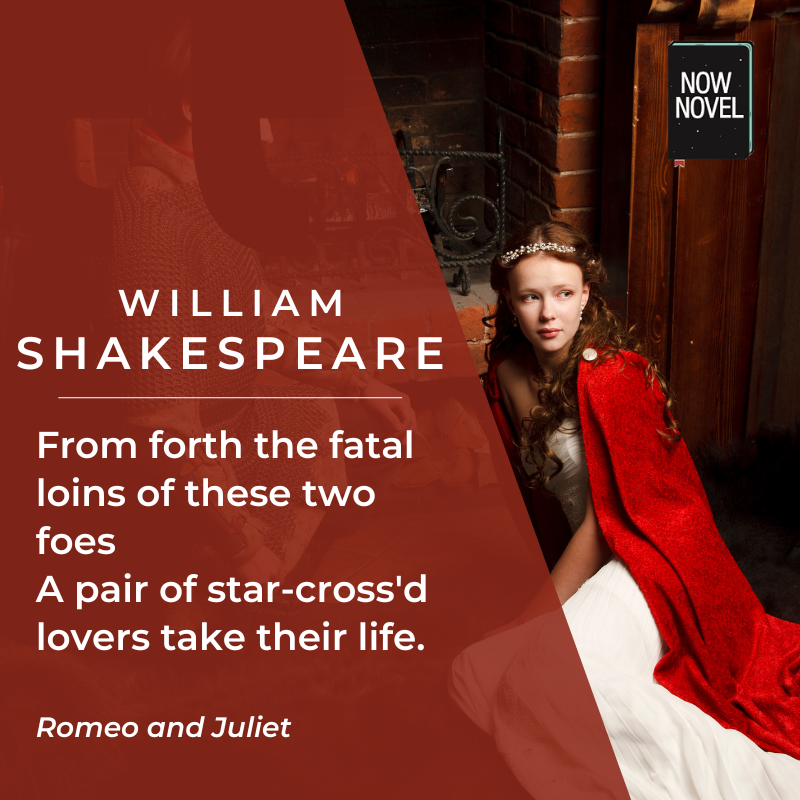
Alternatively, foils also are antagonists. Foil characters distinction with the protagonist, highlighting their strengths and weaknesses via their very own characteristics and movements. Whilst foils won’t essentially be villains, they nonetheless create warfare or problem the protagonist come what may. Let’s cross to Shakespeare for an instance right here. Taking a look on the tragedy, at Mercutio and Romeo, Mercutio serves as a foil to Romeo.
Mercutio is outgoing, witty, and brash, whilst Romeo is extra introspective, romantic, and melancholic. Mercutio’s full of life and funny nature contrasts with Romeo’s extra severe and lovesick demeanor. Mercutio’s cynical nature unearths him mocking love, and skeptical in regard to destiny and future, by contrast to Romeo’s passionate emotions against Juliet, and his trust in future. Witness his ‘star-crossed fanatics’ speech which displays his trust that he and Juliet have been fated to be in combination:
From forth the deadly loins of those two foes,
A couple of star-cross'd fanatics take their lifestyles.
In spite of everything Mercutio’s impulsive and confrontational nature results in his loss of life, which serves as a turning level within the play. His loss of life motivates Romeo’s next movements and intensifies the warfare between the Montagues and Capulets.
Be mindful, too, that an antagonist can be, now not a selected personality however slightly a drive of nature, societal norms, or exterior instances that the protagonist should conquer.

Crafting Conversations
Dialogues that outline darkness. Sign up in our loose electronic mail route on higher discussion and uncover find out how to use conversations to show the depths of your villains. Be informed the secrets and techniques to making chilling exchanges that upload stress and intrigue for your narrative.
Antagonists who’re villains
Some examples of antagonists who’re villains come with:
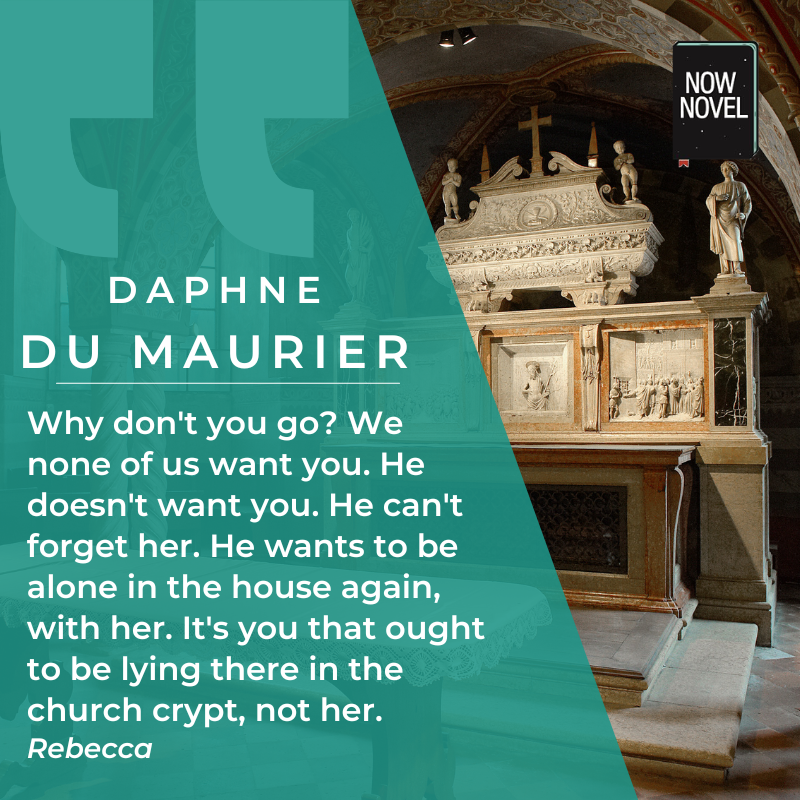
- Mrs. Danvers from Rebecca via Daphne du Maurier. Mrs. Danvers is the sinister housekeeper of Manderley who harbors an bad obsession with the deceased Rebecca, the primary spouse of Maxim de Iciness. She torments the protagonist, the second one Mrs. de Iciness, and tries to power her to insanity.
- The White Witch (Jadis) in The Chronicles of Narnia sequence via C.S. Lewis. The White Witch is a formidable sorceress who usurps the throne of Narnia and plunges the land into everlasting wintry weather. She regulations with an iron fist and is feared via the population of Narnia.
- Uriah Heep in David Copperfield via Charles Dickens. Uriah Heep is a scheming and conniving clerk who manipulates and exploits others for his personal acquire. He ingratiates himself with the protagonist, David Copperfield, whilst secretly plotting to wreck him.
What are anti-heroes?
An anti-hero may be against the principle protagonist and lacks heroic or ethical houses, or are morally ambiguous or contradictory possessing characteristics which might be villain-like. However they don’t seem to be full-on villains. They is also motivated via revenge towards those that have wronged them, every now and then settling rankings via violent ends, or via self-preservation, enticing in morally doubtful movements out of necessity or to verify their very own protection. They will pursue their very own objectives on the expense of others, or be remoted loners. As we will see, those may also be absolutely rounded characters, with relatable motivations and will upload genuine intensity to the tale you’re telling. They every now and then navigate morally grey spaces – which is surely relatable!
In spite of their flaws, some anti-heroes are motivated via a need for redemption or private enlargement. They will search to catch up on previous errors or discover a sense of goal in doing the appropriate factor, although their strategies are unconventional.
For examples of those characters, call to mind Clint Eastwood as The Guy With No Identify in Sergio Leone’s Spaghetti Western Bucks Trilogy. Eastwood’s personality a brooding, morally ambiguous guy who hardly ever speaks.
Any other standard anti-hero is that of Tony Soprano from the tv sequence The Sopranos.
One of the most maximum attention-grabbing villains possess motivations, fears, and vulnerabilities that humanize them. Take, as an example, the nature of Severus Snape from the Harry Potter sequence.
Soprano is a New Jersey mob boss who struggles to steadiness the calls for of his legal undertaking together with his tasks as a husband and father. In spite of his violent and morally questionable movements, Tony is depicted as a multifaceted personality with moments of vulnerability and introspection, with audiences in relation to him. Is he a villain? That’s the query, and for sure he does some terrible issues, however then there’s that different aspect of him. He’s surely a morally grey personality.
There’s additionally Lisbeth Salander from Stieg Larsson’s sequence, comparable to The Woman with the Dragon Tattoo. Lisbeth Salander is a pc hacker with a stricken previous who takes justice into her personal arms. She is fiercely unbiased, resourceful, and unapologetically confrontational, ceaselessly resorting to excessive measures to offer protection to herself and others.

Unveil the Secrets and techniques of Villainy
Grasp the artwork of constructing memorable villains with our unique information, “Tips on how to Write Actual Characters.” Be informed the nuances of villain construction to verify your antagonists are as charming and sophisticated as your heroes. Uncover tactics for crafting their motives, flaws, and extra.
Why write a majority of these characters?
So, why write villains? As we have now explored, villains are against the principle protagonist and serve to propel the narrative ahead. They are able to function foils to the principle personality, and may give morally attention-grabbing characters as when portraying an anti-hero.
However let’s take this additional.
As mentioned above, one of the most maximum attention-grabbing villains possess motivations, fears, and vulnerabilities that humanize them. Take, as an example, the nature of Severus Snape from the Harry Potter sequence. To start with portrayed because the quintessential antagonist, Snape’s backstory steadily unfolds, revealing his tragic previous, unrequited love, and interior struggles. This complexity provides layers to his personality, blurring the strains between excellent and evil. JK Rowling has stated that this personality was once a ‘reward to write down’. She describes him as an anti-hero:
He isn’t a in particular likeable guy in some ways. He stays slightly merciless, a bully, riddled with bitterness and lack of confidence and but he
cherished, and confirmed loyalty to that love and, in the long run, laid down his lifestyles on account of it. That’s lovely heroic!
His middle breaking backstory has been praised as smartly characterized via critics. Studying or seeing him portrayed on display can serve to make readers suppose additional on Snape’s possible choices and personality, most likely even bearing on this to their very own motivations now and then, or the ones they know.
Which leads onto the following level, that villains function reflections or mirrors of humanity. All of us have facets of ‘villainous’ conduct in us, and there are few amongst us who haven’t performed one thing which we’re ashamed of. Levels, fluctuate, in fact. Studying or looking at villains doing such deeds can’t most effective mirror that fact again at us, however make us mirror on behaviors and motivations for doing such deeds.
As above, anti-heroes are attention-grabbing characters, ceaselessly rebels who defy societal norms, regulations, or expectancies. They will problem authority, query the established order, or reject typical morality. They’re ceaselessly under-dogs, and other folks love to root for under-dogs. It may be a problem to write down a morally ambiguous personality and also have readers rooting for them – however doing so can upload intensity for your tale. It’s additionally a possibility to discover advanced ethical and philosophical questions for your writing.
Some genres naturally come with villains – a criminal offense novel wouldn’t exist and not using a villain or 10. The shooting of a killer, as an example, naturally brings any such tale to a detailed. It additionally serves to supply catharsis and backbone. Existence isn’t at all times so well wrapped up – however should you’re studying a thriller, you are expecting that order might be restored, and this makes for a delightful learn.
Villains too can function placeholders for symbolism and allegory. There are occasions that writers can’t freely categorical themselves – comparable to when in dwelling in dictatorships or in different repressive regimes. On this case, villains can include higher societal or philosophical ideas, serving as symbols or allegorical representations of real-world problems. Writers can touch upon problems comparable to greed or corruption, or the hazards of absolute energy. George Orwell does this famously in his satirical novella, Animal Farm. Printed in 1945, it’s a political fantasy about Stalinist Russia and Stalin’s betrayal of the modern beliefs of 1918.
When you’re curious about writing compelling, and relatable villains, have a learn of our in-depth put up on antagonists. Take a look at your hand at developing advanced characters.
Flip your manuscript right into a masterpiece
With our complete self-publishing applications, we take care of the whole lot from developmental enhancing to proofreading, making sure your e-book meets the easiest requirements.